
That Burning Pain Between Your Shoulder Blades: Upper Back Pain Explained

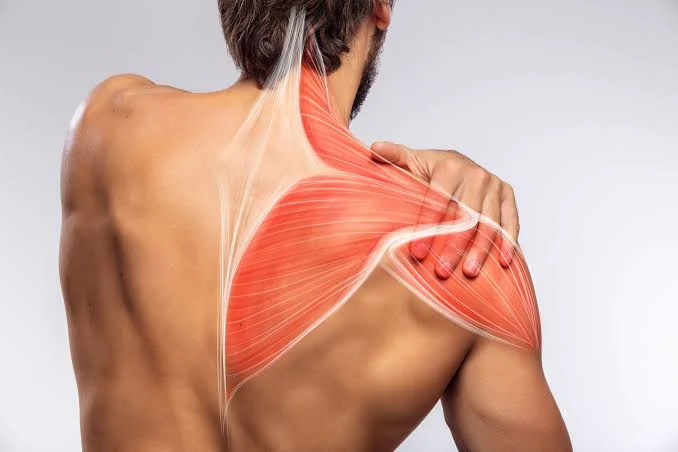
By mid-afternoon, there it is again: a burning ache between your shoulder blades. You roll your shoulders, push your back against the chair and stretch, but it keeps coming back. Upper back pain is a classic complaint for people who spend long hours at a desk, behind the wheel or looking down at a phone.
What causes upper back pain?
Your upper back, the thoracic spine, connects to your ribs and is built for stability and rotation. When it stays in one rounded position for hours, the joints stiffen and the muscles around them get overworked.
Common causes include:
- A hunched, rounded-shoulder posture at a desk or phone
- Stiffness in the thoracic joints, especially bending backwards
- Weak muscles between and below the shoulder blades
- Irritated rib joints, which can cause sharp pain with deep breaths
- Stress, poor sleep and shallow breathing
Common signs include:
- Aching or burning between the shoulder blades
- Stiffness when you twist or sit up tall
- A sharp "catch" when breathing in deeply or turning
- Pain that builds through the working day
When to see a doctor first
Some upper back pain comes from other organs. Get urgent medical care if your pain comes with chest pain, shortness of breath, sweating, fever, unexplained weight loss, or a constant burning pain that doesn't change when you move.
How physiotherapy helps
Research shows hands-on treatment of the thoracic spine can reduce pain and improve movement in the short term. The best results come when it's combined with exercise. At Katasi Physiotherapy, your plan may include:
- Thoracic mobilisation or manipulation
- Posture correction and shoulder blade strengthening
- Breathing exercises to free up the rib cage
- Dry needling for tight muscles
- Desk, laptop and sleep set-up advice
Book your assessment
Stand taller and feel lighter. Book at Katasi Physiotherapy, Mogotio Road off Muthithi Road, Westlands. Call or WhatsApp 0705 717 353.
Source: Physiopedia – Assessment and Treatment of the Thoracic Spine
Book on WhatsAppRelated articles

Back Muscle Spasm: What to Do When Your Back "Locks"
By Moses Katasi, Orthopaedic Physiotherapist · 11 October 2026
You bent down to pick up your child, lift a crate or grab your laptop bag, and suddenly your back seized. Now you're walking bent to one side, every movement hurts and you're wondering if you've done something serious. You're not alone. This is one of the most common back problems we see.
Read article →
Disc Bulge in the Lower Back: Good News Your Doctor May Not Have Told You
By Moses Katasi, Orthopaedic Physiotherapist · 4 October 2026
"Slipped disc." Those two words make many people fear they'll never lift, run or play with their children again. But here's what the research says: most lower back disc bulges get better, and the body can even reabsorb part of the disc on its own.
Read article →Lower Back Pain: Why Rest and Scans Aren't the Answer
By Moses Katasi, Orthopaedic Physiotherapist · 3 October 2026
If you have lower back pain, you're in very good company. Between 60% and 80% of adults will have it at some point in their lives. In Nairobi, long commutes, desk jobs and weekend gym sessions all play a part. The question isn't whether back pain will happen, but how quickly you recover and whether it keeps coming back.
Read article →