
Back Muscle Spasm: What to Do When Your Back "Locks"

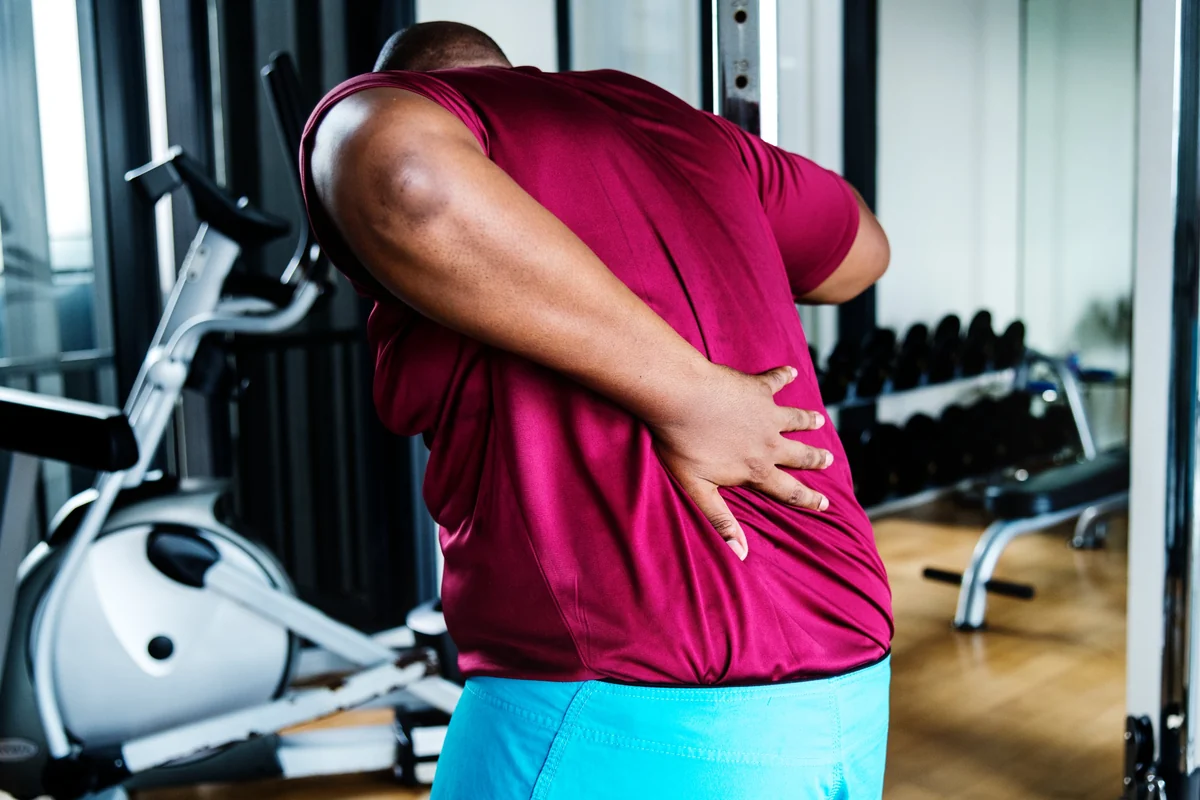
You bent down to pick up your child, lift a crate or grab your laptop bag, and suddenly your back seized. Now you're walking bent to one side, every movement hurts and you're wondering if you've done something serious. You're not alone. This is one of the most common back problems we see.
What is a back muscle spasm?
A back spasm is when the muscles along your spine tighten up hard to protect an area that has been strained. A lumbar strain, a stretch or small tear in these muscles, causes about 70% of everyday mechanical back pain.
Common causes include lifting, twisting and sudden bending. But about one in three people can't remember any specific trigger.
Common signs include:
- Sudden, gripping pain in the lower back
- A back that feels "locked" or tight like a rope
- Leaning to one side when you stand
- Pain when twisting, standing up or stretching
- Pain that peaks in the first 24–48 hours
The good news
Most back strains start improving within about two weeks. Normal function usually returns within four to six weeks. Scans are usually not needed unless there are warning signs.
What helps (and what doesn't)
Bed rest slows recovery. Research shows that gently staying active, within what your pain allows, gets you better faster. Heat is a safe first step at home.
At Katasi Physiotherapy, we help you recover quickly and safely with:
- Soft tissue release and massage to calm the spasm
- Gentle movement and stretching once pain settles
- Core, back and glute strengthening to prevent it coming back
- Dry needling for stubborn muscle knots
- Safe lifting and desk posture advice
When to see a doctor
Get urgent medical care if back pain follows a fall or accident, or comes with fever, numbness in the groin area or changes in bladder or bowel control.
Book your assessment
Don't let one bad lift keep you off work for weeks. Book at Katasi Physiotherapy, Mogotio Road off Muthithi Road, Westlands. Call or WhatsApp 0705 717 353.
Source: Physiopedia – Lumbar Strain
Book on WhatsAppRelated articles

Disc Bulge in the Lower Back: Good News Your Doctor May Not Have Told You
By Moses Katasi, Orthopaedic Physiotherapist · 4 October 2026
"Slipped disc." Those two words make many people fear they'll never lift, run or play with their children again. But here's what the research says: most lower back disc bulges get better, and the body can even reabsorb part of the disc on its own.
Read article →Lower Back Pain: Why Rest and Scans Aren't the Answer
By Moses Katasi, Orthopaedic Physiotherapist · 3 October 2026
If you have lower back pain, you're in very good company. Between 60% and 80% of adults will have it at some point in their lives. In Nairobi, long commutes, desk jobs and weekend gym sessions all play a part. The question isn't whether back pain will happen, but how quickly you recover and whether it keeps coming back.
Read article →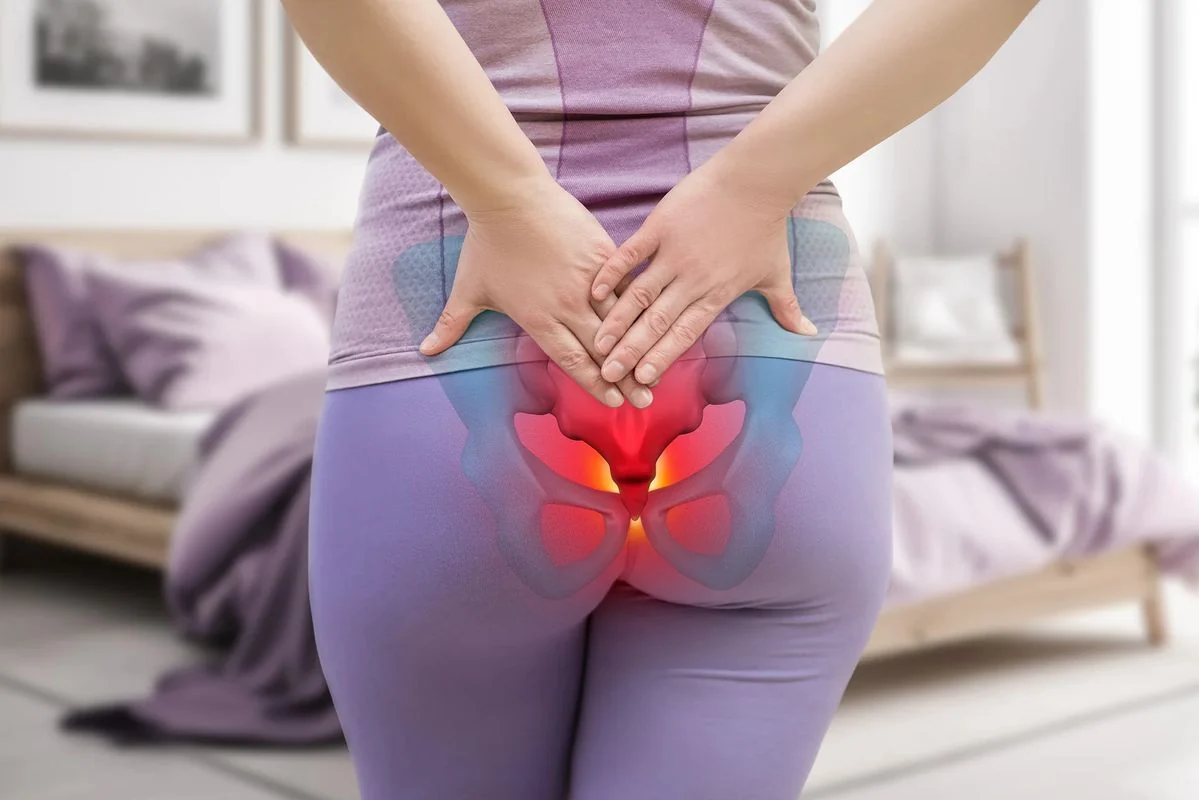
Tailbone Pain When Sitting? You Don't Have to Keep Shifting in Your Chair
By Moses Katasi, Orthopaedic Physiotherapist · 28 September 2026
You sit down in a matatu, an office chair or a church bench, and a sharp pain hits right at the base of your spine. You find yourself leaning on one buttock, shifting constantly, or dreading the moment you have to stand up. This is tailbone pain, and it can make everyday life miserable.
Read article →