
X-ray Says "Reduced Disc Space" or "Spondylosis"? What It Really Means for Your Back Pain

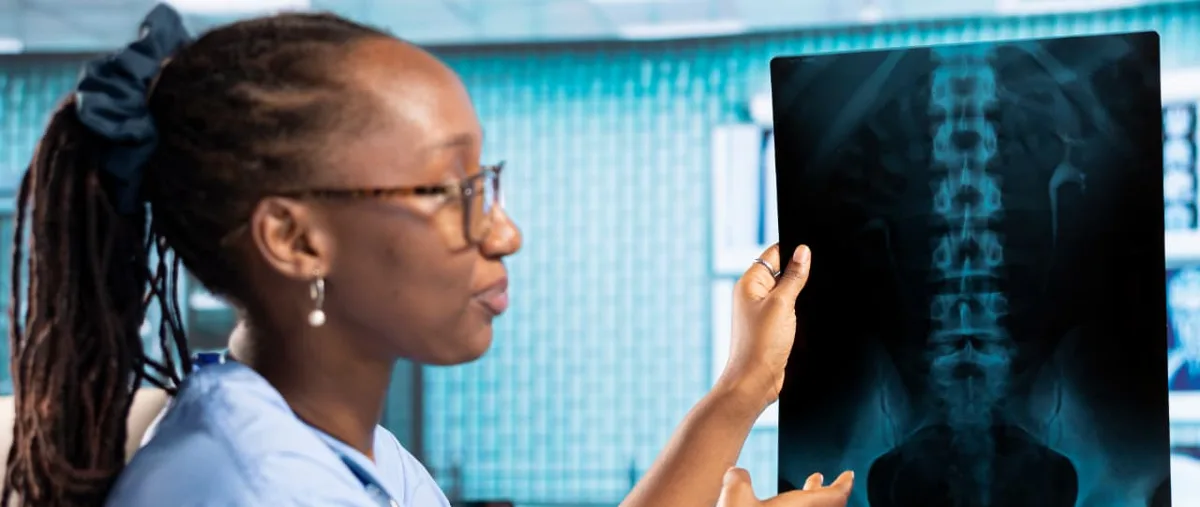
Your back has been aching for a while, so you go for an X-ray like the one in the photo. The report comes back with words like "reduced disc spaces", "degenerative changes" or "lumbar spondylosis". Someone tells you it's arthritis of the spine. You search online and see words like "wear and tear" and "no cure." Now you're worried your back is getting old and there's nothing you can do.
Take a breath. Those words sound far scarier than they are.
What your X-ray report really means
Between the bones of your spine are soft cushions called discs. As we get older, these cushions naturally get a little thinner and drier, just like hair turns grey. On an X-ray, that shows up as "reduced disc space" or "degenerative changes." Spondylosis is simply the medical name for these normal age changes in the spine.
Here's the important part: these changes are very common in people with no back pain at all. Many people over 40 would have the same words on their X-ray, and most of them feel fine. So the X-ray may not be explaining your pain.
So what's causing the pain?
Very often, it's the muscles. The long muscles along your lower back can become tight, tense and guarded, from long sitting, lifting, stress or an old strain. Tight muscles squeeze and pull on the spine, stiffen the small joints, and make your back ache when you bend, stand or lie down. An X-ray doesn't show muscles, so this part of the story gets missed.
Signs muscles are a big part of your pain
- Your back feels tight, stiff and "pulled", especially in the morning or after sitting
- Pressing on the muscles beside your spine feels sore
- Pain eases with heat, a massage or a walk
- Bending, getting up from a chair or lying flat is uncomfortable
- Tablets help for a while, then the pain returns
How Katasi Physiotherapy brings relief
Our orthopaedic physiotherapist reads your X-ray with you and explains it in plain words. Then we check your back by hand to find which muscles and joints are actually causing the pain. Treatment includes:
- Releasing the tight back muscles with hands-on therapy and dry needling
- Loosening stiff joints in the lower back and pelvis
- Strengthening your back, tummy and hip muscles so they support your spine
- Simple tips for sitting, lifting and sleeping
Your X-ray won't change, but how your back feels can change a lot. Many people feel looser and more comfortable within the first few sessions.
Read more: "Lumbar Muscle Spasm" on Your X-ray or MRI?, Disc Bulge in the Lower Back and Knee Arthritis: Can Physiotherapy Help You Avoid Surgery?
See a doctor straight away if
You have back pain with fever, unexplained weight loss, numbness or weakness in your legs, loss of bladder or bowel control, or numbness around your private parts.
Visit us in Westlands
Don't let a scary X-ray report decide how you live. Bring it to Katasi Physiotherapy at Kerai Office, Mogotio Road off Muthithi Road, Westlands, Nairobi. Call or WhatsApp 0705 717 353 to book. Open Monday to Friday 7am–6pm and Saturday 8am–4pm.
Related articles
Tried Everything for Your Back Pain? Before the MRI, Get Your Pelvis Checked
By Moses Katasi, Orthopaedic Physiotherapist · 6 November 2026
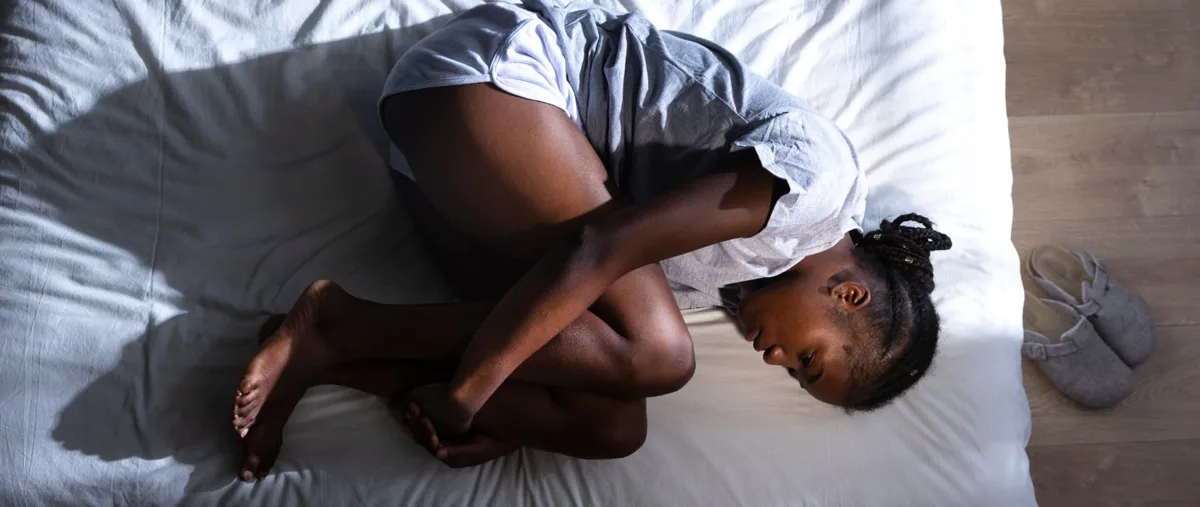
Like the woman in the photo, you end up curled on your side, knees pulled up to your chest, because lying on your back makes your lower back ache. It's the only way you can get comfortable, and it's been like this for weeks, maybe months.
Read article →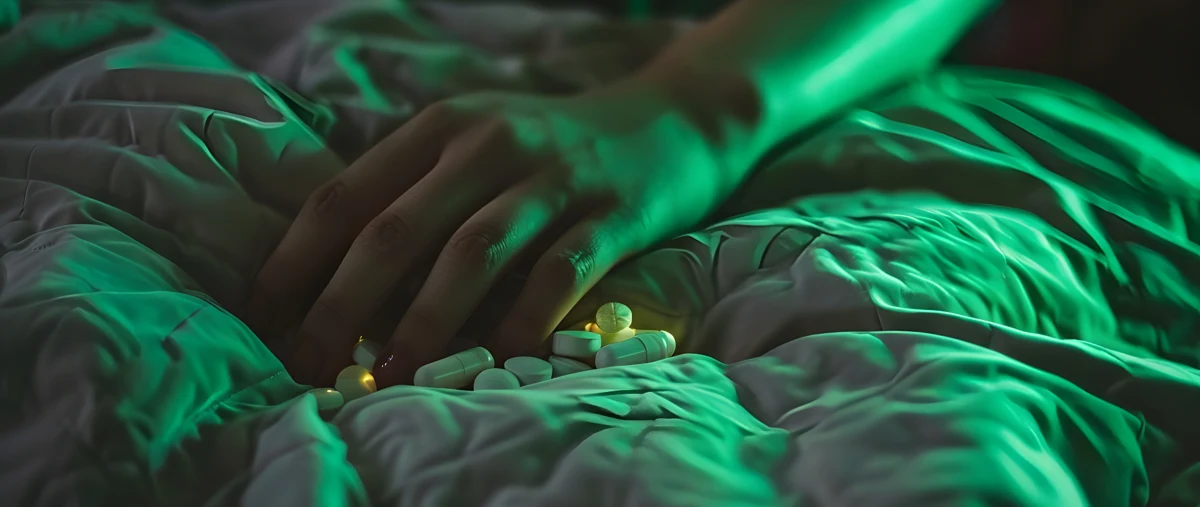
Can't Sleep Without Painkillers for Your Back? When Scans Are Clear but the Pain Won't Go
By Moses Katasi, Orthopaedic Physiotherapist · 4 November 2026
It's become a nightly routine. Before bed, you take your tablets: Myospaz, Zulu MR or another muscle relaxant, maybe pregabalin or another nerve tablet your doctor prescribed. Without them, your back aches and you toss and turn until 3am. You've done the X-ray. You've done the MRI. You may even have tried physiotherapy before. Everyone says, "There's nothing serious." But the pain is real, and the tablets are the only thing that gets you through the night.
Read article →
Lower Back Pain at Night? Why You Can Only Sleep Curled Up on Your Side
By Moses Katasi, Orthopaedic Physiotherapist · 4 November 2026
The woman in the photo has found the only position that works: on her side, knees bent up. If you have this kind of back pain, you know it well. Lying on your back makes your lower back ache. Lying on your stomach is impossible. So you lie on one side with a pillow between your knees. After a while you stretch your legs out, then pull your knees back up towards your chest, then turn to the other side. Night after night.
Read article →