
What is dry needling, and is it right for you?

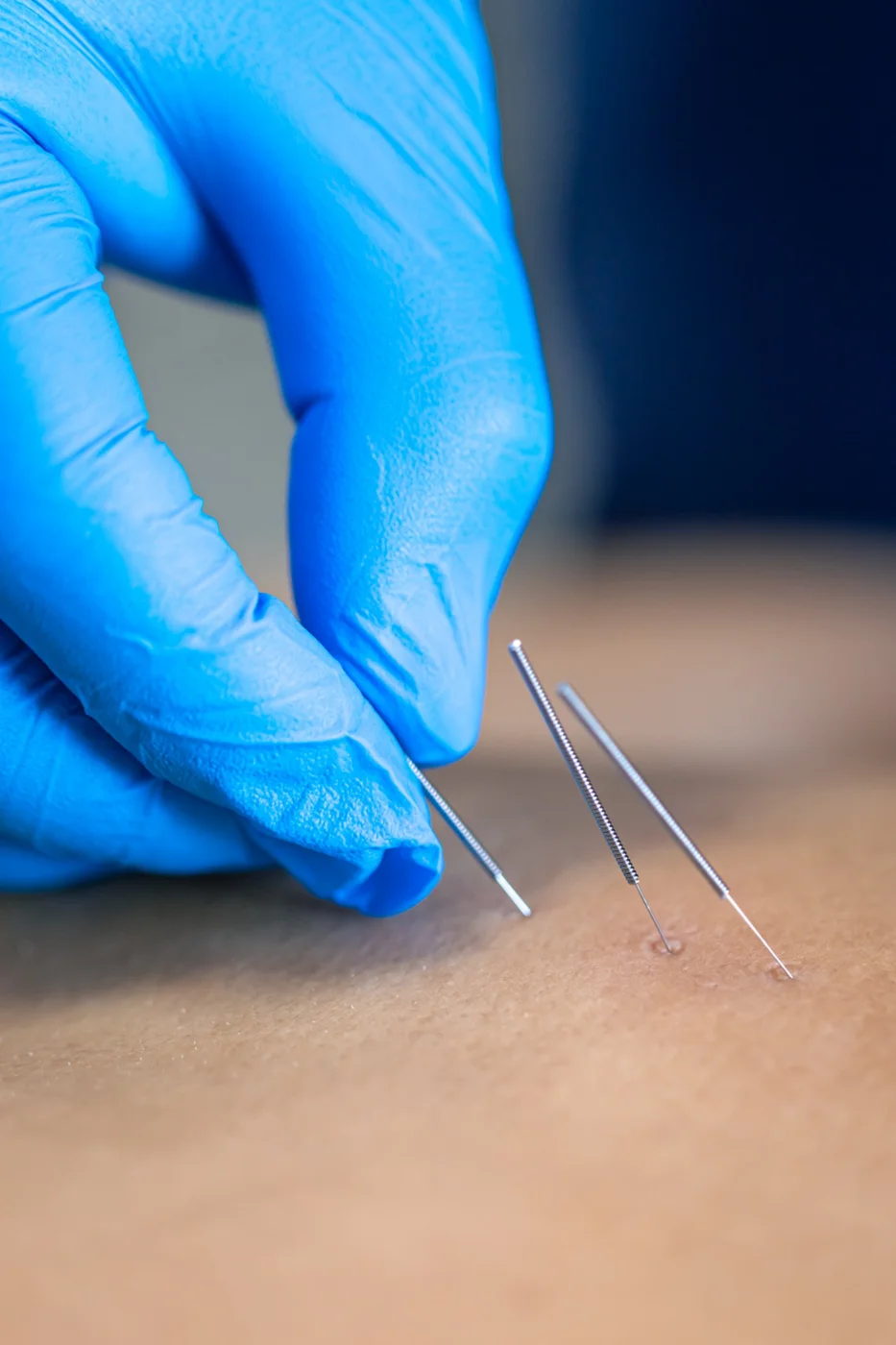
Dry needling is one of the treatments people ask us about most. Some have heard it works well for stubborn knots; others are nervous about the needles. Here is a plain explanation of what it is and what to expect.
What is dry needling?
Dry needling uses very fine, sterile needles to treat tight bands and knots in muscle, called trigger points. "Dry" simply means nothing is injected. The needles are much thinner than the ones used for injections or blood tests.
A trigger point is a small, tight spot in a muscle that can be tender to touch and can send pain to other areas. A knot between your shoulder blades, for example, can cause a headache or an ache down the arm.
How does it help?
When the needle reaches a trigger point, the muscle often gives a quick twitch and then relaxes. This can ease tightness, reduce pain and make it easier to move and exercise. Research suggests it can help some muscle and joint pain, especially when combined with exercise and other hands-on treatment.
It is not a cure on its own. We use it as one part of a plan.
Does it hurt?
Most people feel a quick pinch as the needle goes in, then a deep ache or twitch in the muscle. That feeling usually passes within seconds. Afterwards, the area may feel sore, a bit like after a workout, for a day or so.
You are in control. You can ask us to stop at any time, and if needling is not for you, we have other ways to treat you.
Who can it help?
Dry needling can be useful for:
- Neck and upper back pain from long hours at a desk
- Back muscle spasms that leave you stiff and bent over
- Tight hips, buttocks and calves from running or football
- Shoulder pain linked to tight muscles
- Tension headaches that start in the neck
At Katasi Physiotherapy, dry needling is performed by Moses Katasi, a certified orthopaedic dry needling specialist trained through the International Academy of Orthopedic Medicine (IAOM-US).
When dry needling is not suitable
We check your health history first. Dry needling may not be right if you have a fear of needles, a bleeding disorder or take blood-thinning medicine, an infection or skin problem over the area, or in some stages of pregnancy. Tell us about any medical conditions, and we will decide together.
What happens at a session
We first assess you to find what is causing the pain. If dry needling is a good fit, we explain the plan, clean the skin, and place a few needles in the tight muscles for a short time. Afterwards we usually add stretches or exercises to keep the muscle moving well.
When to see a physiotherapist
Book an assessment if a muscle knot or spasm keeps coming back, stops you sleeping, or limits your work or sport.
Curious whether dry needling could help you? Send us a WhatsApp message and we will talk it through at your first visit.